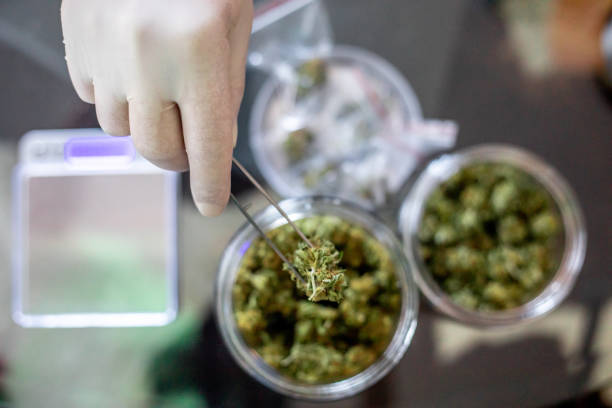
The world of cannabis is vast, diverse, and constantly evolving. For both newcomers and experienced enthusiasts, staying informed about the latest trends, products, and research is essential for making educated decisions about cannabis consumption. The Redi Dispensary blog offers a comprehensive resource to help you dive into the nuances of this plant, its uses, and its impact on wellness.
Why Reading a Cannabis Blog Matters
With cannabis laws shifting across states and countries, reliable information can be hard to come by. A trusted dispensary blog provides:
– Up-to-date insights: Stay informed about changes in cannabis legislation or new products hitting the market.
– Educational resources: Learn about topics such as cannabinoids (THC, CBD), terpenes, and different consumption methods.
– Tips for safe use: From dosing guidance to storage tips, blogs can provide actionable advice tailored to your needs.
Key Topics Covered in Cannabis Blogs
- Understanding Cannabis Basics
– Types of cannabis (Indica vs Sativa vs Hybrid)
– Cannabinoid profiles (THC/CBD ratios)
– Terpene breakdowns - Consumption Techniques
– Smoking vs vaping: Pros and cons
– Edibles: Safe dosing strategies for beginners
– An introduction to concentrates like live resin or shatter - Legal & Policy Updates:
Navigate changing regulations affecting medical patients or recreational users.
A Sample Table of Blog Topics
| Topic | What You’ll Learn | Audience Level |
| Cannabis Terpenes | How terpenes influence flavor & effects | Beginner/Intermediate |
| Edibles Dosing Guide | Proper timing & recommended amounts for edibles | Beginner |
| Live Resin vs Shatter | Comparing production methods & potency | Advanced Users |
Benefits of Learning From a Trusted Source
Cannabis misinformation abounds online due to stigma or lack of regulation in certain regions. By selecting a reputable dispensary blog like Redi’s as your go-to resource: 1 .You avoid outdated myths around medical/recreational-use effectiveness
Dispensary Dumbo Guide: Live Rosin, Shatter, and Crumble Compared
Cannabis concentrates have gained immense popularity due to their potency, purity, and versatility. These products are extracted from cannabis plants to isolate the most desirable compounds, such as cannabinoids and terpenes. Among the many varieties of concentrates available at dumbodispensary.net, live rosin, shatter, and crumble are some of the most common options. Understanding their differences can help consumers make informed decisions about what best suits their preferences and needs.
Exploring Cannabis Concentrates at a Marijuana Dispensary in Dumbo
Cannabis concentrates are products that contain higher levels of cannabinoids (like THC or CBD) compared to raw cannabis flower. The extraction process removes plant material while preserving or enhancing the active compounds. This results in a product that is more potent than traditional cannabis flower.
Key benefits include:
– Increased potency: Higher concentration of cannabinoids for stronger effects.
– Flavorful experience: Terpene-rich profiles deliver robust aromas and tastes.
– Versatility: Can be consumed in various ways like dabbing, vaping, or infusing into edibles.
Exploring Live Rosin, Shatter, and Crumble at a Recreational Dispensary in Dumbo, Brooklyn
Each type of concentrate has unique characteristics based on its texture, extraction method, potency level, and usage.
| Type | Extraction Method | Texture/Appearance | Potency Level | Best For |
| Live Rosin | Solventless (heat & pressure) | Soft, sticky; amber/golden hue | High | Dab rigs; flavor-focused users |
| Shatter | Solvent-based (e.g., butane/CO2) | Glass-like; brittle | Very high | Dabbing; vaping |
| Crumble | Solvent-based | Dry & crumbly; yellowish | Moderate-to-high | Mixing with flower; dabbing |
Live Rosin
Live rosin is highly prized for its solventless extraction process using only heat and pressure. By skipping chemical solvents entirely, it provides a pure concentrate with rich terpene profiles that preserve the natural aromas and flavors of the cannabis plant. Given its clean production method and premium quality output, live rosin appeals particularly to consumers who prioritize flavor over sheer potency.
Shatter
Shatter is a translucent concentrate with a glass-like appearance that “shatters” when broken apart—hence its name. It’s created using solvents like butane or CO2 during extraction before being purified for consumption. Known for its extreme potency due to high THC levels, shatter is popular among seasoned users seeking strong psychoactive effects.
Crumble
Crumble stands out for its dry texture that makes it easy to handle compared to stickier options like live rosin. Created through solvent-based processes similar to shatter but cured differently during production, crumble offers moderate-to-high potency levels while maintaining functional versatility. Many users enjoy mixing crumble with traditional flower in joints or bowls for an enhanced experience.
Choosing the Right Concentrate
- Consider your tolerance level: New users may prefer crumble’s moderate strength over shatter’s intense effects.
- Evaluate your consumption method: If dabbing is preferred, all three types work well depending on texture preference.
- Flavor vs Potency: If flavor is important to you due to terpenes’ aromatic properties, live rosin is an excellent choice.
- Budget: Live rosin tends to be more expensive because of its solventless production process.
By understanding these key differences among concentrates—texture preferences aside—you’ll be better equipped when exploring dispensary options tailored precisely toward enhancing your overall experience with cannabis products.
Edibles Beginner’s Guide: Dosing, Timing, and Enjoying Cannabis Effects
Cannabis edibles offer a discreet, convenient, and tasty method for consuming cannabis. However, for beginners, understanding the nuances of dosing, timing the effects, and enjoying the experience responsibly is crucial. This guide will walk you through key aspects of using edibles effectively and safely.
How to Dose Cannabis Edibles as a Beginner
- Start Low and Go Slow:
For first-timers or those with low tolerance, it’s recommended to start with an edible that contains 2.5 mg to 5 mg of THC. - Understand Potency Labels:
Most edibles will display the amount of THC or CBD per serving (e.g., “10 mg THC per gummy”) as well as the total content in the package. Pay close attention to these details. - Divide Servings if Necessary:
If an edible contains higher doses (20 mg or more), consider splitting it into smaller portions using a knife or measuring tools.
| Dosage Level | Recommended For | Effects Likely To Feel |
| Microdose (1-2 mg THC) | Beginners/new users | Mild relaxation with no psychoactivity |
| Low dose (2.5-5 mg THC) | Occasional users | Subtle euphoria; mild body relaxation |
| Moderate dose (10-15 mg THC) | Regular consumers | Stronger euphoria; altered perception |
| High dose (20+ mg THC) | Experienced users only | Intense effects; possible sedation |
Timing: How Long Do Edibles Take to Kick In?
Unlike smoking or vaping cannabis, which delivers effects almost instantly, edibles take longer to metabolize in your body.
- Typically ranges from 30 minutes to 2 hours, depending on individual metabolism, whether you consumed food beforehand, and product type.
- Products like beverages or sublinguals may kick in faster than baked goods or gummies.
- Edible highs can last anywhere from 4 to 8 hours, with peak effects occurring around the 2-to-3-hour mark.
- Individuals sensitive to THC may experience lingering effects beyond this window.
Best Practices for Enjoying Cannabis Edibles
- Consume in a Comfortable Environment:
Choose a familiar space where you feel safe and relaxed. - Avoid Mixing with Alcohol:
Combining alcohol with cannabis can amplify its psychoactive effects unpredictably. - Stay Hydrated:
Keep water nearby as edibles may cause dry mouth. - Have Non-Psychoactive Snacks Ready:
Satisfy cravings without overindulging in additional cannabis by preparing regular food beforehand.
Handling Overconsumption
- Stay calm—effects will naturally wear off over time.
- Find distractions such as listening to music or watching TV.
- Consider CBD products like tinctures which may counteract excessive THC psychoactivity.
By understanding dosing guidelines and timing expectations while practicing moderation, beginners can enjoy edibles without fear—unlocking a unique way to experience cannabis’ benefits responsibly.
Understanding Cannabis Terpenes: Unlocking Flavor, Aroma, and Benefits
Cannabis is more than just THC and CBD. One of the key components contributing to the plant’s complexity is terpenes. These aromatic compounds are responsible for the distinct flavors, scents, and even potential effects of different cannabis strains. Understanding terpenes can help consumers make more informed choices when selecting products tailored to their needs.
What Are Terpenes?
Terpenes are naturally occurring compounds found in many plants, including cannabis. They serve several purposes in nature, such as attracting pollinators and protecting plants from herbivores or harmful pathogens. In cannabis, terpenes not only determine how a strain smells or tastes but also play a role in its overall effects on the body and mind.
- Lemons (rich in limonene)
- Lavender (high in linalool)
- Pine trees (abundant in pinene)
Common Cannabis Terpenes and Their Benefits
| Terpene Name | Aroma/Flavor Profile | Potential Benefits | Found In |
| Myrcene | Earthy, musky, herbal | Relaxation, sedation | Mangoes, hops |
| Limonene | Citrus-like (lemon/orange) | Mood elevation, stress relief | Citrus fruits |
| Pinene | Piney | Mental clarity, anti-inflammatory | Pine needles |
| Linalool | Floral, lavender | Calming effects, anxiety reduction | Lavender |
| Caryophyllene | Spicy, peppery | Pain relief, anti-inflammatory properties | Black pepper |
Each strain typically has a dominant terpene that contributes significantly to its sensory profile and potential wellness benefits.
The Entourage Effect: Synergy Between Cannabinoids and Terpenes
One of the most fascinating aspects of terpenes is how they interact with cannabinoids like THC and CBD. This interaction is known as the “entourage effect.” Instead of cannabinoids acting alone to produce effects like relaxation or euphoria, terpenes can modulate these experiences by enhancing or balancing them.
For example: – A strain high in myrcene may amplify feelings of deep relaxation when paired with THC. – Strains rich in pinene, on the other hand, might promote alertness while maintaining calmness.
Understanding this relationship allows consumers to choose strains that align with their specific goals—whether it’s for pain relief during the day or winding down at night.
How to Choose Cannabis Based on Terpene Profiles
When shopping at a dispensary: 1. Look for lab-tested products that list terpene profiles.
2. Smell before you buy—aroma can give clues about dominant terpenes. 3. Consider your desired effects—relief from stress might call for limonene-heavy strains; sleep issues may benefit from myrcene-rich options.
By learning about these fragrant molecules and their potential roles within cannabis products, you’ll be better equipped to select strains that enhance your overall experience while aligning with your personal preferences or therapeutic needs.
How Cannabis Strains Get Their Names: Genetics, Crosses, and Cultivar Naming
The naming of cannabis strains is a fascinating process that blends science, creativity, and cultural influence. Each strain’s name holds clues to its genetics, lineage, effects, or even a grower’s sense of humor. Understanding how cannabis strains are named can deepen your appreciation for the variety and complexity available in today’s dispensaries.
Genetics: The Foundation of Strain Naming
Cannabis strain names often reflect their genetic lineage. A strain’s name may indicate its parent plants or dominant traits inherited through selective breeding.
- Parent Strains: Many strains are named after their parents to highlight their heritage. For example:
- Blue Dream is a cross between Blueberry and Haze.
- Girl Scout Cookies (GSC) comes from the union of Durban Poison and OG Kush.
- Dominant Traits: Names can also call attention to specific traits like appearance, aroma, or potency:
- Purple Kush: Indicates the strain often has purple hues from anthocyanins in its structure.
- Sour Diesel: Known for its pungent, fuel-like aroma.
Genetic markers and consistent cross-breeding ensure that these names align with specific chemical profiles or plant characteristics.
Crosses: Custom Breeds and Hybridization
- Portmanteau Naming: Combining parts of parent strain names into one word is common:
- Banana Kush combines elements of Banana OG and Ghost OG.
- Tangie Cookies merges Tangerine Dream with Girl Scout Cookies.
- Numbered Variations: A single hybrid can have several phenotypes (variations). In such cases:
- Numbers or letters may be added to differentiate them (OG #18, Chemdawg D).
- Pop Culture References: Some breeders spice up their creations by naming them after current events or pop culture icons (e.g., Bruce Banner, inspired by the “Hulk”).
Cultivar Naming Influences
- Flavor & Aroma Descriptors: Many strains hint at taste or smell through evocative language:
- Fruity notes (Mango Kush, Pineapple Express)
- Spicy profiles (Cinnamon Haze, Pepper Jack)
- Effect-Based Names: Breeders may emphasize how the strain makes users feel:
- Energizing (Green Crack) vs Relaxing (Granddaddy Purple)
- Regional Branding: Some strains honor geographic origins:
- Landrace strains like Afghan Kush reflect where they were discovered.
- Playful Creativity: Quirky or humorous approaches result in memorable names like:
- Alaskan Thunder F***
- Cat Piss
| Factor | Example Strain Name | Influence |
| Parent Genetics | Blue Dream | Blueberry x Haze |
| Flavor/Aroma | Pineapple Express | Tropical fruit vibes |
| Effects | Green Crack | Uplifting energy |
| Regional Heritage | Afghan Kush | Named for origin region |
Why Strain Names Matter
The naming process isn’t just about marketing; it serves as a helpful roadmap for consumers seeking specific cannabis experiences. By understanding the genetics and inspiration behind a strain’s name, you can make informed choices when exploring dispensary menus.
Cannabis names represent an intersection of art and horticulture—a testament to how growers balance tradition with innovation while ensuring products remain recognizable yet distinctive for enthusiasts worldwide.
5 Reasons Local Dispensaries Offer a Better Experience Than Corporate Chains
When it comes to purchasing cannabis, consumers have the option of visiting local dispensaries or corporate chains. While large companies may provide familiarity and convenience, local dispensaries often deliver a more tailored and fulfilling experience. Here are five reasons why local dispensaries often outshine their corporate counterparts.
1. Personalized Customer Service
Local dispensaries tend to prioritize building relationships with their customers, offering a level of care and attention that corporate chains may lack.
- Knowledgeable Staff: Budtenders at local shops are typically well-trained and passionate about cannabis. They can guide you through strain selection, dosage recommendations, and even product pairings based on your specific needs.
- Community Focused: Staff members often recognize returning customers, enabling them to provide more personalized advice and suggestions over time.
2. Support for Local Communities
- Job Creation: Local businesses employ residents within the community, boosting the local economy.
- Tax Contributions: Taxes from cannabis sales are often reinvested into public services such as schools, infrastructure, or community programs.
- Charitable Engagement: Many locally owned dispensaries participate in charitable events or initiatives aimed at improving their surrounding areas.
Corporate chains might funnel revenue back to their headquarters rather than reinvesting in the communities they operate within.
3. Unique Product Selections
Local dispensaries often collaborate with regional growers and producers to stock exclusive products that reflect the area’s unique cannabis culture.
| Feature | Local Dispensary | Corporate Chain |
| Product Diversity | Small-batch & craft options | Standardized offerings |
| Regional Collaborations | Partnership with local growers | Large-scale supply chain dominance |
This means you’re likely to find rare strains or small-batch artisanal edibles at a local shop—products you wouldn’t encounter elsewhere.
4. A Welcoming Atmosphere
- Ambiance: Many independent shops feature warm, thoughtfully designed interiors rather than opting for sterile layouts found in corporate setups.
- Educational Events: Some stores host workshops on topics like cannabis cultivation or proper dosing strategies, fostering ongoing education for enthusiasts.
A welcoming environment enhances customer satisfaction by making visits more enjoyable and less transactional.
5. Commitment to Quality Over Quantity
- Lab-Tested Flower
- Organic Edibles
- Clean Extraction Methods for Concentrates
- Pesticide-Free Topicals
By focusing on quality control rather than sheer volume of inventory, these establishments ensure better experiences for consumers who care about what they’re consuming.
Opting for a local dispensary not only enhances your purchasing experience but also strengthens your connection with the community while ensuring access to high-quality products curated by passionate individuals who truly understand cannabis culture.
Exploring the History of Cannabis Laws and How They Impact a Cannabis Dispensary Dumbo, NY
Cannabis has been a topic of debate in the United States for decades. Despite its legalization at the state level in many places, it remains illegal under federal law. To understand why, it’s important to examine the history and policies that have shaped cannabis legislation, particularly focusing on the pivotal year of 1937.
The Marijuana Tax Act of 1937
The Marijuana Tax Act of 1937 was one of the first major legislative actions targeting cannabis at a federal level. While it didn’t outright ban marijuana, it imposed heavy taxes and regulations on its cultivation, distribution, and possession. This law effectively criminalized cannabis by making compliance nearly impossible for individuals and businesses.
- Taxation: A $1 tax was imposed on anyone dealing in cannabis commercially.
- Strict Penalties: Failure to comply with regulations could result in steep fines or imprisonment.
- Targeting Hemp: Despite its industrial uses, hemp production was also heavily restricted under this law.
These measures were largely influenced by misinformation campaigns that associated cannabis use with criminal behavior and societal issues.
The Role of Racism and Propaganda
A significant factor behind the federal prohibition of cannabis has been rooted in racial bias and propaganda. In the early 20th century, anti-cannabis sentiment was fueled by xenophobic views toward Mexican immigrants who introduced recreational marijuana use to American culture. Public fear was amplified by exaggerated claims tying cannabis use to violence and delinquency.
- “Reefer Madness” Campaigns: Films like Reefer Madness portrayed exaggerated consequences of marijuana use, instilling fear among Americans.
- Racial Stereotypes: Lawmakers used racist rhetoric to link cannabis with undesirable behaviors among minority groups.
This propaganda created a stigma around cannabis that persists even today.
The Controlled Substances Act (1970)
The modern battle over federal legalization stems from the Controlled Substances Act (CSA) of 1970. This act classified drugs into schedules based on their perceived medical value and potential for abuse. Cannabis was designated as a Schedule I substance—the most restrictive category—alongside heroin and LSD.
- Cannabis is considered to have “no accepted medical use” despite evidence suggesting otherwise.
- Research on its potential benefits has been significantly restricted due to burdensome regulations.
- Severe penalties are imposed for possession or distribution at a federal level.
This categorization laid the groundwork for decades of strict prohibition policies while ignoring evolving scientific research about cannabis’ medicinal properties.
Conflicting State vs Federal Laws
- Legal Ambiguity: Businesses operating legally within states remain vulnerable to federal raids or prosecution.
- Banking Limitations: Dispensaries face difficulties accessing traditional banking services due to federal restrictions.
- Consumer Confusion: Users often find themselves uncertain about their legal protections when crossing state lines.
Steps Toward Federal Reform
- Removing cannabis from Schedule I classification would allow greater research opportunities.
- Legislation aimed at providing legal protection for financial institutions serving state-approved businesses.
- Various bills introduced in Congress seek nationwide legalization or decriminalization efforts.
These steps reflect growing public support for reforming outdated policies that continue to hinder progress in both health research and economic development related to cannabis.
By examining these historical roots alongside ongoing policy challenges, it becomes clear why achieving federal legalization remains an uphill battle despite changing attitudes toward marijuana nationwide
Why is Cannabis Still Illegal Federally? Examining the Policies from 1937
Cannabis prohibition in the United States has its roots in early 20th-century policies, misinformation campaigns, and shifting public perceptions. Although legalization efforts have gained significant momentum on state levels, cannabis remains illegal federally. To understand why this is the case, we must delve into its complex legal history and current impediments.
The Marihuana Tax Act of 1937: A Landmark in Prohibition
The federal prohibition of cannabis began with the Marihuana Tax Act of 1937, which effectively criminalized possession and sales by imposing heavy taxes and regulations. This law was based on:
- Racial Prejudice: Anti-cannabis campaigns often tied the use of marijuana to marginalized communities, particularly Mexican immigrants and African Americans.
- Misinformation: Propaganda films like Reefer Madness exaggerated the dangers of cannabis consumption, painting it as a substance that incites violence and insanity.
- Economic Factors: Competing industries, such as timber (for paper production) and synthetic materials (e.g., DuPont’s nylon), viewed hemp—a versatile cannabis product—as a threat to their market dominance.
The act laid the groundwork for decades of federal prohibition despite limited scientific evidence supporting these claims.
The Controlled Substances Act of 1970
In 1970, President Richard Nixon signed the Controlled Substances Act (CSA) into law. This legislation classified cannabis as a Schedule I drug, grouping it alongside heroin and LSD. Schedule I drugs are defined as substances with no accepted medical use and a high potential for abuse. The decision was controversial then—and remains so—due to:
- Emerging research suggesting therapeutic benefits of cannabis.
- Political motivations tied to Nixon’s “War on Drugs,” which disproportionately impacted communities of color.
This classification continues to hinder research into cannabis’s medicinal properties due to strict restrictions on federally funded studies.
Federal vs. State Legalization: The Ongoing Disconnect
- Efforts to pass reform measures like the MORE Act (Marijuana Opportunity Reinvestment and Expungement) have stalled in Congress due to divided opinions.
- Some lawmakers fear political backlash or oppose legalization on moral grounds.
- Federal prohibition benefits sectors such as private prisons, pharmaceutical companies, and alcohol industries that may view cannabis legalization as competition.
- While public support for legalization has grown significantly (as per Pew Research Center data), lingering stigma from decades of propaganda influences legislative action.
Implications for Federal Prohibition Today
| Issue | Impact |
| Banking Restrictions | Cannabis businesses cannot access traditional banking services due to federal illegality. |
| Limited Research | Schedule I classification blocks comprehensive medical studies on cannabis efficacy. |
| Criminal Justice Disparities | Thousands remain incarcerated for nonviolent offenses involving marijuana possession or distribution despite state legalization trends. |
| Interstate Commerce Challenges | Cannabis businesses cannot legally transport products across state borders under current laws. |
Pathways Towards Reform
- Reclassifying or descheduling cannabis under the CSA.
- Passing legislation like SAFE Banking Act or MORE Act.
- Increasing public awareness about scientific data supporting medical uses.
Understanding how past decisions continue shaping today’s legal landscape highlights why federal reform is crucial for aligning with modern perspectives on cannabis use.
- Explore the Weed Dispensary Dumbo Blog and Discover Everything About Cannabis
- How to Verify if a Cannabis Dispensary in Dumbo, NY is Properly Licensed and Legal
- Discover the Best Cannabis Dispensary Dumbo, NY Has to Offer
- Exploring Licensed Options at a Dispensary Dumbo vs Unlicensed Cannabis Vendors
- Innovative Ways to Use Cannabis Products from a Cannabis Dispensary Dumbo, NY
- How the Best Cannabis Dispensary Dumbo, NY Ensures Safety and Quality Assurance for Customers
- How the Best Weed Dispensary Dumbo Sources and Procures Their Products
- Navigating Compliance for a Cannabis Dispensary in Dumbo, NY